
Summary
Gažul is a shepherd settlement of stone dwellings and livestock pens on the Brač plateau. The complex reflects seasonal animal husbandry: shepherds stayed there while grazing sheep in summer and returned to coastal and inland villages in winter.
Bežmek Stan is a protected cultural and historic rural complex, designation Z-7144.
History and context
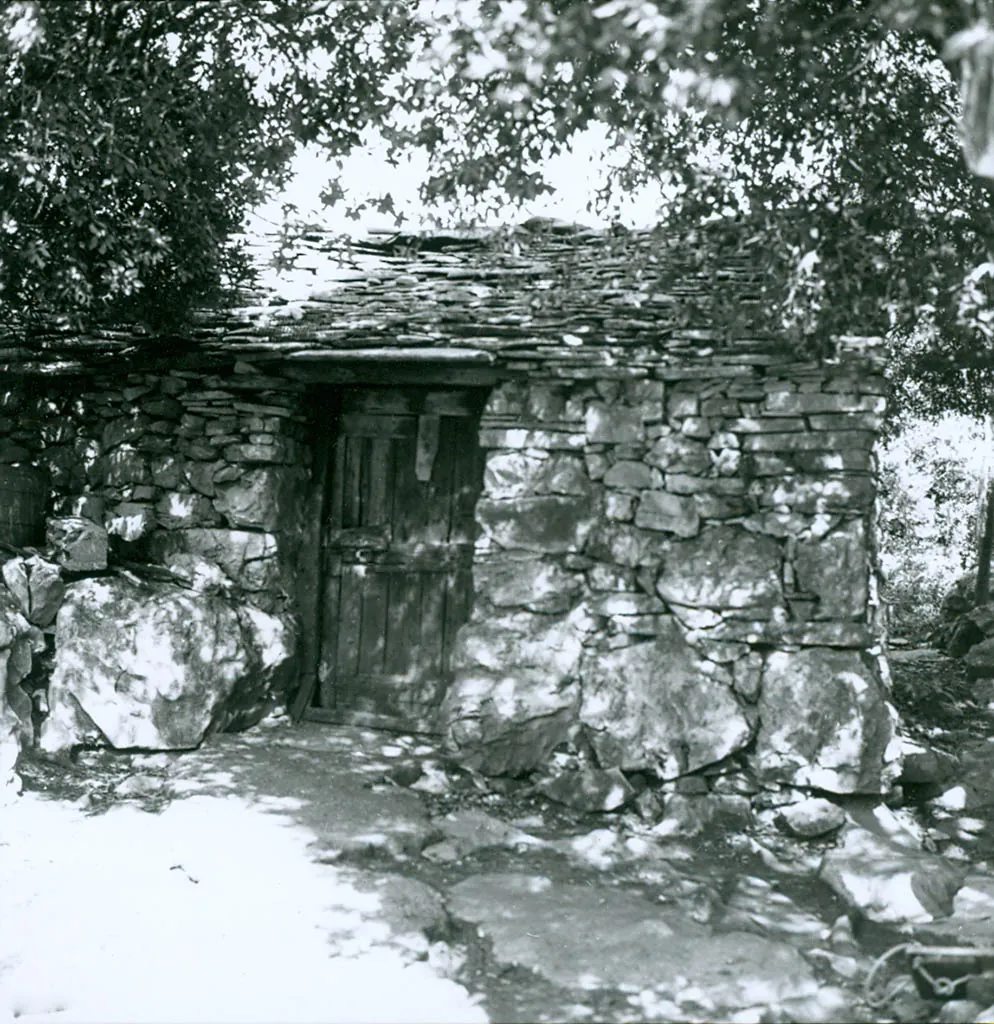
The Bežmek Stan pastoral complex, also known as Gažul, was developed by the Gospodnetić family from Dol for seasonal stays during grazing. The protected-site description lists six single-storey stone houses with courtyards, livestock pens, a bread oven, a rainwater cistern and an enclosed pond. The dwellings were built during the 19th century; popular sources often say about two hundred years old, which should be understood as an approximate age, not a confirmed year of construction.
Sources: [1]
What the site reveals
The layout of houses, livestock pens and water storage shows how pastoral farming adapted to the dry karst landscape. Gažul is more than a group of stone cottages: it is a complex that includes work spaces, water infrastructure and shared open areas. Seasonal fairs and gatherings still take place locally.
Sources: [1]
Location and visiting
The complex is on the plateau south of the D113 road, with the final stretch to the dwellings on foot. The coordinates are approximate and do not mark a car park. Some areas may be privately owned or in active agricultural use; respect signs, animals and property. The Gažul mountain hut is nearby, but it is a separate building from the historic shepherd settlement.